Water level sensor are often dismissed as mere auxiliary components. In reality, they are critical assets for cost control, risk mitigation, and operational excellence. When viewed through the lens of Return on Investment (ROI), a simple sensor installation is not a cost—it is a profit generator. By replacing manual guesswork with precision data, these devices deliver measurable financial benefits that continue to accrue for years.
This analysis uses realistic scenarios to quantify the true economic value of automating your water level monitoring.
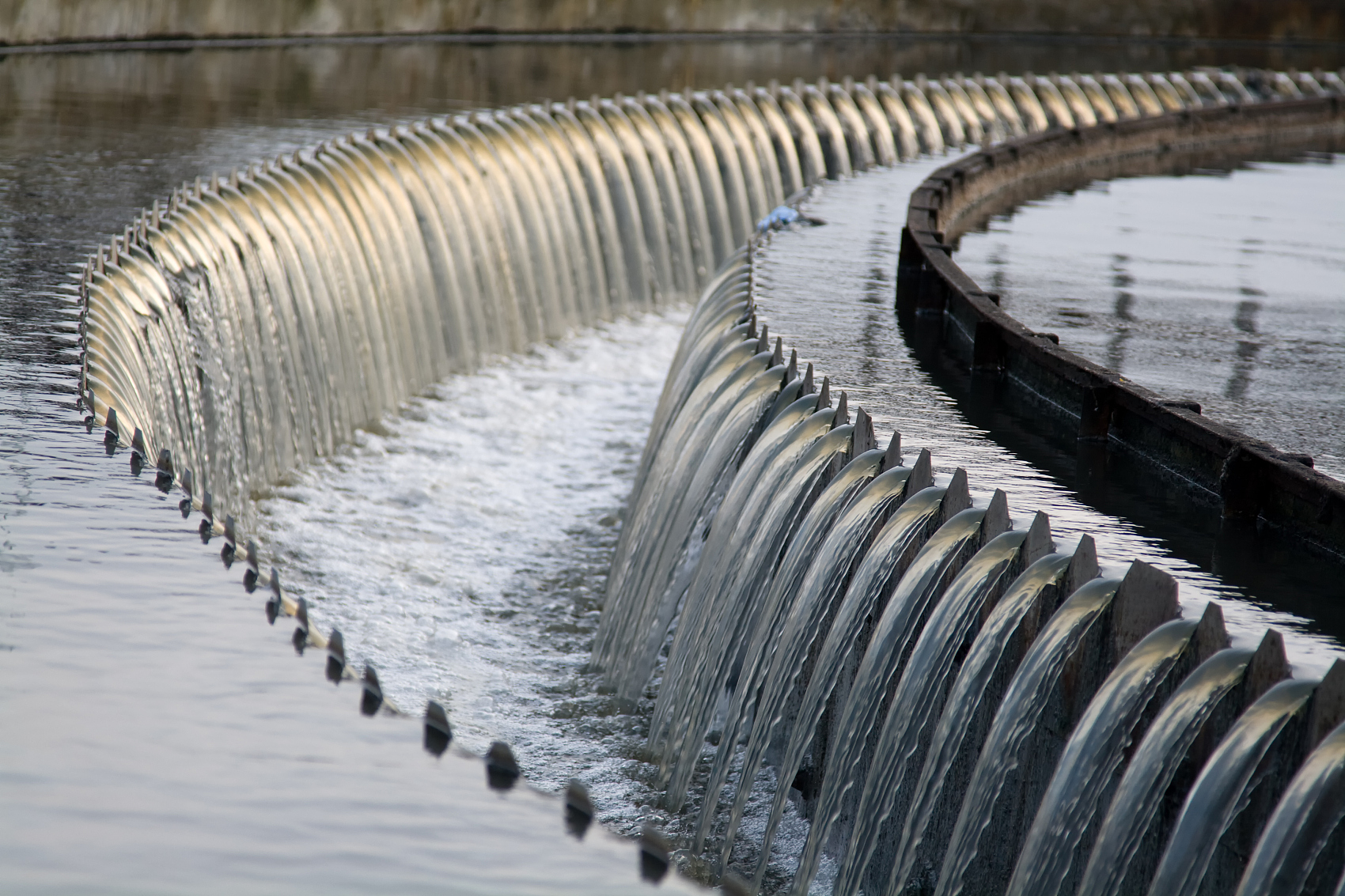
Many facilities still rely on the "clipboards and boots" approach: sending staff to manually check tanks and reservoirs. This method is surprisingly expensive. Consider the math of manual labor. If a staff member conducts two inspections per day, taking 30 minutes each, that totals one hour of labor daily. At a conservative cost of $15 per hour over 365 days, the annual hidden cost amounts to $5,475. This calculation even excludes travel time, vehicle wear, overtime pay, and the inevitable cost of human recording errors.
Compared to the recurring cost of labor, the capital expenditure (CapEx) for automation is minimal. A robust system typically includes the sensor, a data communication module, and professional installation. The total one-time investment usually ranges from $700 to $1,200. Given that these systems have a typical lifespan of 5 to 10 years with negligible maintenance requirements, the cost over time is extremely low.
Automation transforms monitoring from a physical task to a digital one. With continuous data logging and remote alarms, manual rounds can be reduced drastically—often by 80% or more. Based on the manual monitoring costs calculated above, an 80% reduction yields an annual saving of $4,380. In labor savings alone, the system pays for itself in just 2 to 3 months.
Overflow incidents are operational nightmares that result in environmental cleanup costs, regulatory fines, and production downtime. A single overflow incident can conservatively cost $5,000 or more when factoring in cleanup and lost time. Sensors provide high-level alarms, allowing you to react before a spill occurs. Preventing just one overflow event over the sensor's lifespan yields a return of 400% on the initial investment.
Pumps are expensive; sensors are cheap. Dry running is a leading cause of premature pump failure. By setting a low-level cutoff threshold, sensors act as an insurance policy for your machinery. With pump repair or replacement costs ranging from $1,500 to $4,000, plus the cost of downtime, the value is clear. Automatically stopping the pump prevents damage, extending equipment life and avoiding emergency repairs.
For irrigation, reservoirs, and industrial reuse, precision control eliminates waste. You stop pumping exactly when the tank is full, not when it overflows. For a facility with an annual water bill of $20,000, a modest 5–10% improvement through precision control results in annual savings of approximately $1,000 to $2,000.
While harder to quantify in dollars, the operational benefits are transformative. Sensors provide remote visibility, allowing you to check tank levels from anywhere. They ensure data integrity with historical logs for compliance and analysis. Furthermore, they enable proactive maintenance by identifying trends before they become emergencies.
When we aggregate the tangible benefits, the financial argument is undeniable.
Estimated Annual Benefits:
Labor Savings: $4,380
Overflow Prevention (Risk Adjusted): $1,000
Pump Protection (Annualized): $800
Water Optimization: $1,400
Total Estimated Annual Benefit: Approximately $7,580
With a one-time investment of roughly $1,000, you can generate over $7,500 in annual value. The ROI is achieved quickly and continues to grow over the system’s lifetime.
Conclusion
Water level sensors should be viewed not as an expense, but as a long-term cost-saving investment. They help reduce labor costs, prevent equipment damage, minimize operational risks, and improve resource efficiency. For many applications, the question is not "Can we afford to install water level sensors?" The real question is: "Can we afford not to?"
What are the uses of a rain gauge? Learn how rai
Learn how PAR sensors measure PPFD, optimize gro
Learn how soil EC sensors help optimize fertiliz
Contact: Molly
Phone: +86-17775769236
Tel: 86-0731-85117089
Email: molly@codasensor.com
Add: Building S5, Aux Square, Yuelu District, Changsha City, Hunan Province, China
We chat






 English


