Rice feeds nearly half the world’s population, yet its successful cultivation hinges on one of nature’s most unpredictable elements: weather. For centuries, rice farmers relied on ancestral knowledge and guesswork. Today, that uncertainty is being replaced by real-time data, thanks to modern Automatic Weather Stations (AWS).
These intelligent monitoring systems are no longer a luxury; they are vital nodes in the Precision Agriculture network. By providing farmers with accurate, instantaneous insights into local microclimatic and soil conditions, AWS technology allows for smarter, faster, and more efficient decision-making, securing both harvests and profits.
Rice is a water-intensive crop, and traditional flood irrigation often leads to inefficiency and resource depletion. The modern AWS changes this by moving irrigation from a fixed, calendar-based guess to a data-driven necessity.
A complete AWS setup integrates multiple sensors to paint a comprehensive picture of the field environment:
Ambient Conditions: Sensors like the CDW-33A Atmospheric Temperature, Humidity & Pressure Sensor provide air temperature and humidity. These factors, alongside solar radiation measurements, allow farmers to accurately calculate the Evapotranspiration (ET) rate—the amount of water the crop is losing to the atmosphere.
Soil Parameters: Integrated Soil Moisture Sensors report the water content available directly to the roots.
The Smart Decision: Instead of irrigating on a set schedule, the system alerts the farmer only when the soil moisture dips below a critical threshold and the ET rate indicates high water demand. This precision ensures water is applied exactly when the plant needs it most for optimal growth.
The immediate effect of precision irrigation is a dramatic increase in Water Use Efficiency (WUE). Reducing water consumption is critical not only for environmental sustainability but also for lowering operational costs, especially where pumping electricity is expensive.
Accurate Rainfall Measurement: The CDY-12A Tipping Bucket Rainfall Sensor is essential for this process. It measures precipitation with high resolution, instantly notifying the farmer how much natural water the field received.
Avoiding Redundancy: If the AWS records a significant amount of rain overnight, the irrigation system can be automatically paused or skipped, preventing the waste of both energy and water that would have occurred under a fixed timer schedule.
Nutrient Management: Preventing over-irrigation also minimizes the runoff of expensive fertilizers, ensuring nutrients stay in the root zone and reducing environmental pollution in surrounding waterways.
Climate volatility, including extreme weather events, poses the single greatest threat to reliable rice production. AWS systems provide the predictive tools needed for proactive risk management.
Drought Warning: By tracking historical rainfall, soil moisture trends, and long-range temperature forecasts, the system can issue drought warnings days or weeks in advance. This allows farmers to prioritize limited water sources, purchase water rights, or select more drought-tolerant varieties for the subsequent season.
Flood Mitigation: Excessive rainfall and high winds are disastrous, particularly during the critical flowering and harvesting phases. The CDQ-T6A Mini Ultrasonic Weather Station, which measures temperature, humidity, pressure, wind speed, and wind direction, provides real-time alerts for incoming intense storms.
Mitigation: Knowing heavy rain is imminent allows farmers to deploy emergency drainage measures or accelerate harvesting operations before the fields become waterlogged and inaccessible.
Pest and Disease Prediction: The system's precise tracking of temperature and humidity helps farmers predict the ideal onset conditions for fungal diseases or insect infestations, enabling the targeted application of pesticides only when necessary, which minimizes chemical use.
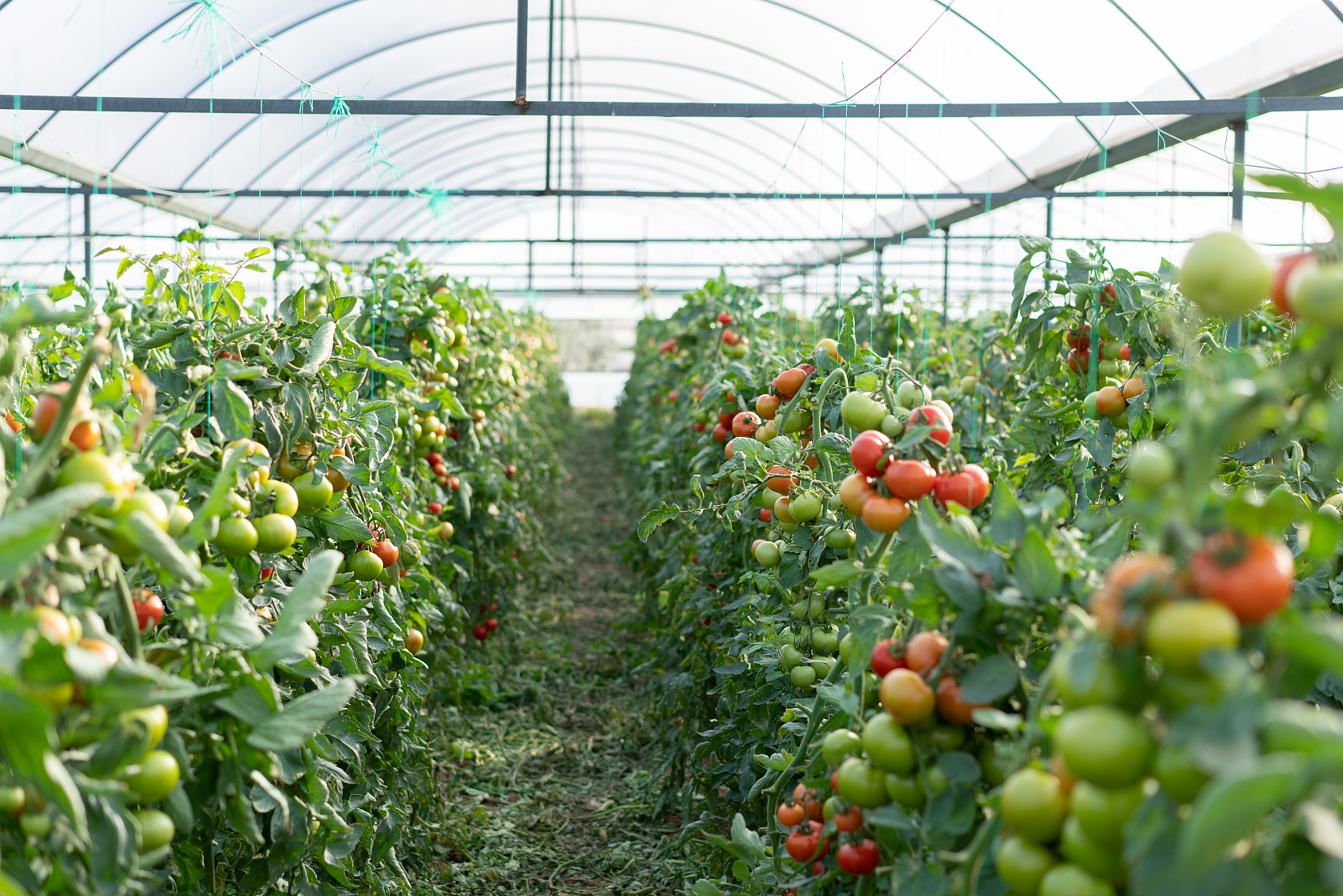
Ultimately, the goal of integrating AWS technology is to transition to a truly data-driven farming model, translating environmental knowledge into increased profitability and higher yields.
By managing irrigation precisely, optimizing nutrient delivery, and mitigating weather risks, farmers create the most stable and optimal environment possible for the rice plants. This leads to:
Higher Yields: Consistent, non-stressed plant growth results in a greater quantity of rice harvested per hectare.
Improved Quality: Optimal moisture and temperature conditions reduce physical damage and fungal growth, leading to higher-grade, better-quality rice grains.
Operational Efficiency: Automated, remote monitoring significantly reduces the time farmers spend manually checking weather conditions and field status, freeing them up to focus on other high-value tasks.
The challenges of unpredictable weather and scarce resources demand technological solutions. The Automatic Weather Station is transforming rice farming from a game of chance into a science of precision, securing the livelihoods of farmers and contributing vital stability to the global food supply.
What are the uses of a rain gauge? Learn how rai
Learn how PAR sensors measure PPFD, optimize gro
Learn how soil EC sensors help optimize fertiliz
Contact: Molly
Phone: +86-17775769236
Tel: 86-0731-85117089
Email: molly@codasensor.com
Add: Building S5, Aux Square, Yuelu District, Changsha City, Hunan Province, China
We chat






 English


